Xiaomi MiMo v2.6 Flash: An Assessment on Two Real Engineering Tasks
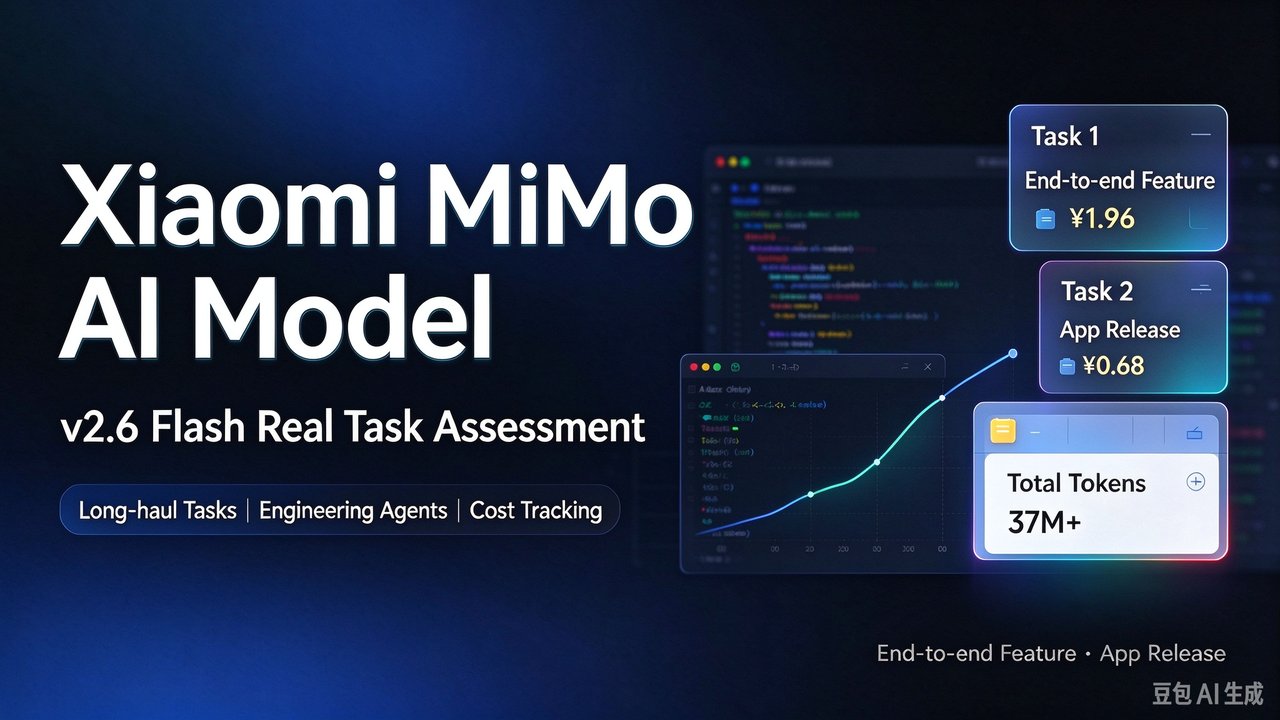
Xiaomi’s MiMo is a large model I drive through the OpenCode agent or directly via the Xiaomi platform API (where I bought tokens for v2.6). I’d used the free OpenCode/MiMo v2.5 for months to draft blogs reliably; with v2.6 out, I bought paid API tokens and stress-tested the model on two real, hours-long engineering tasks.
Task 1 — End-to-end feature
Major features shipped and passed manual functional testing with no functional issues. After 3 automated review rounds (my hard cap), 4 minor issues remained.
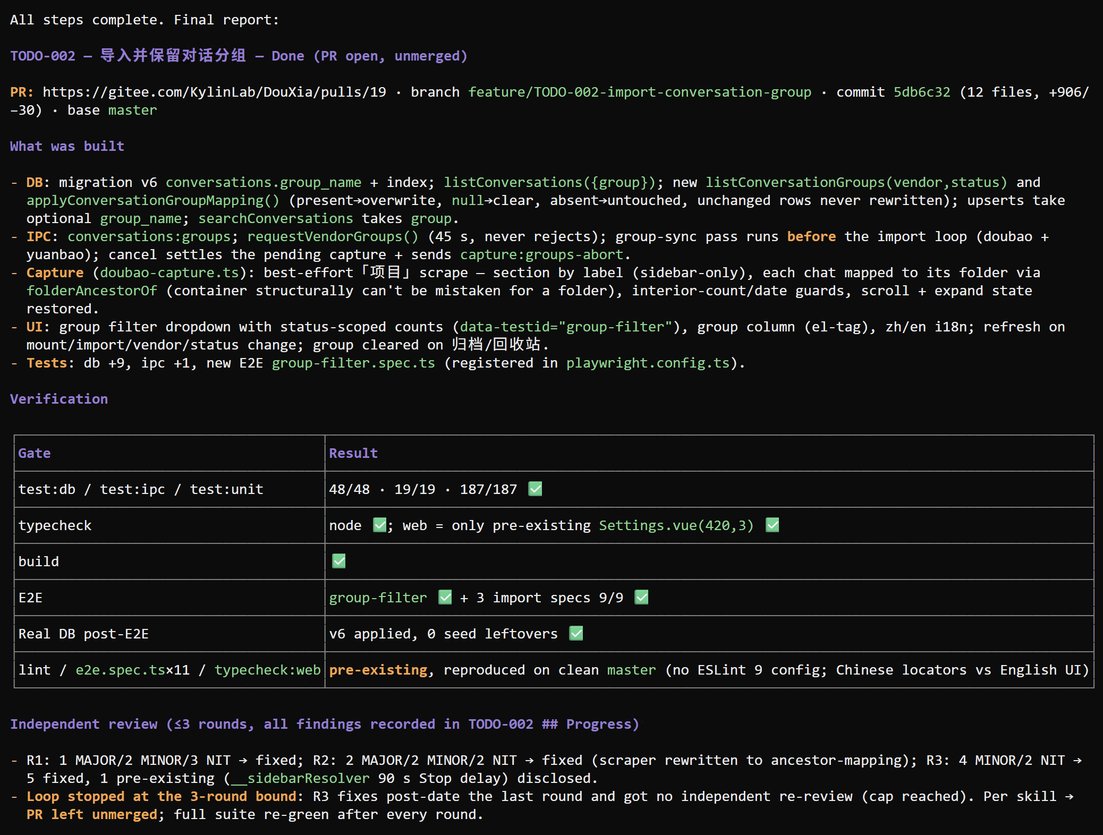
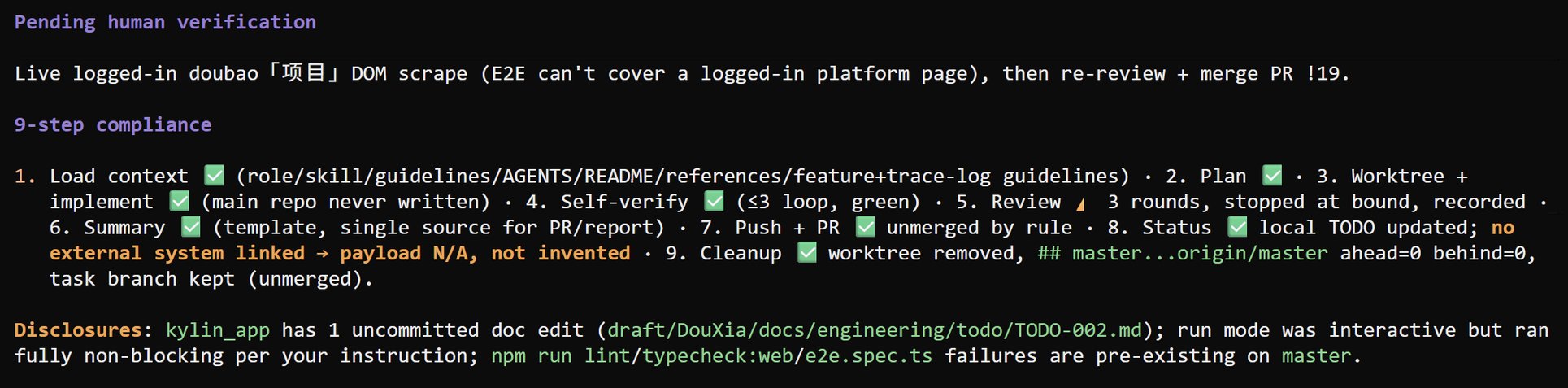
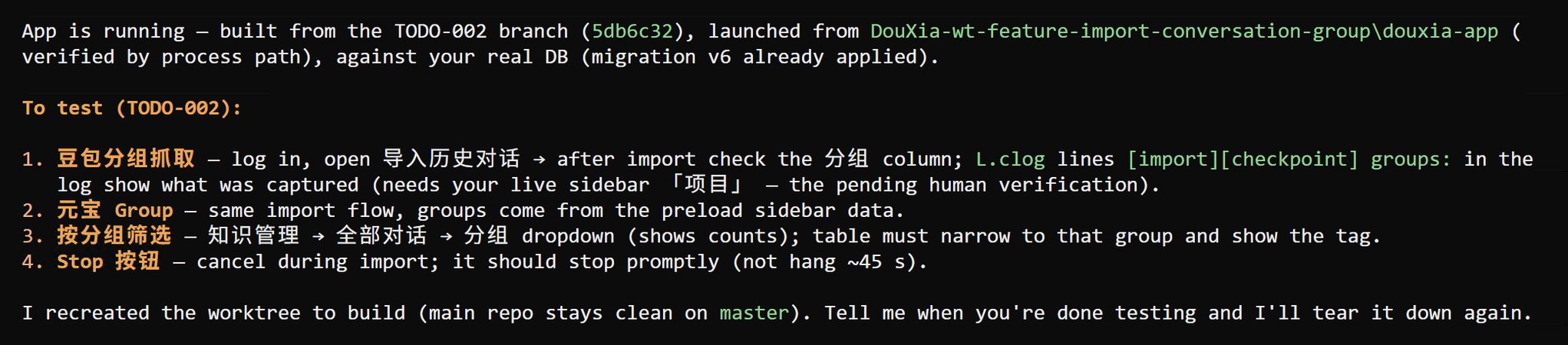
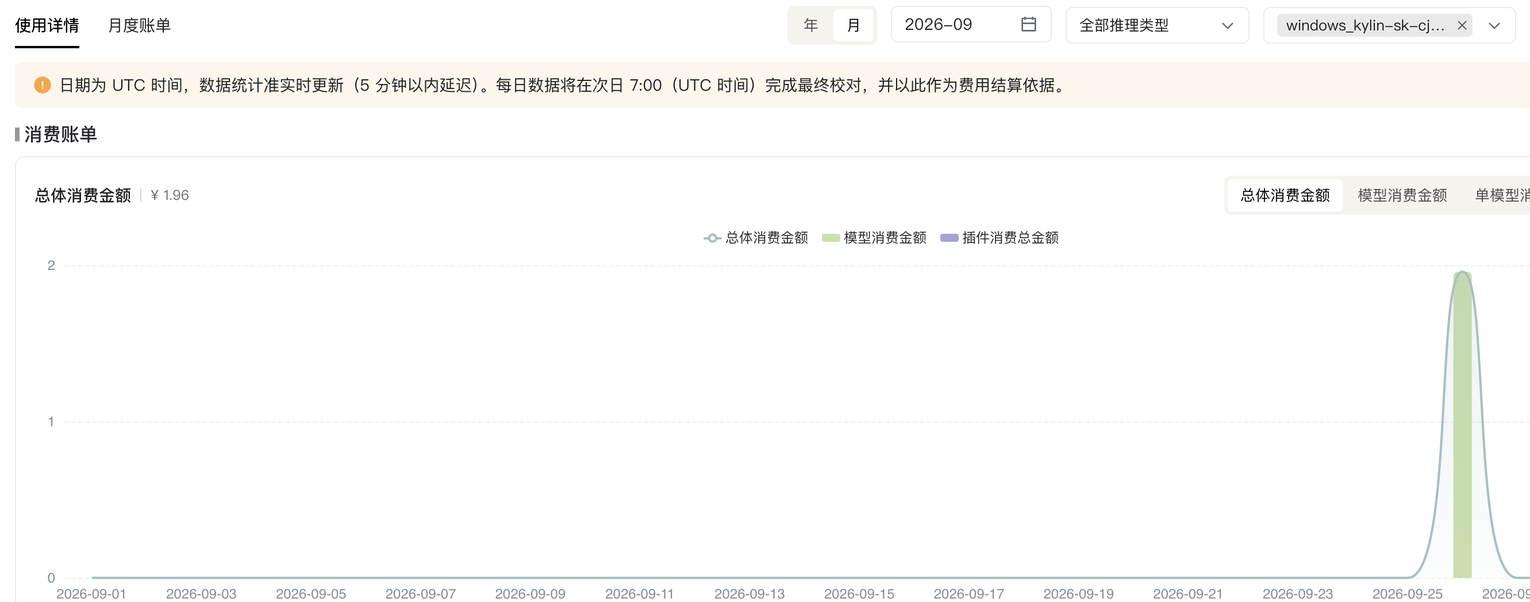
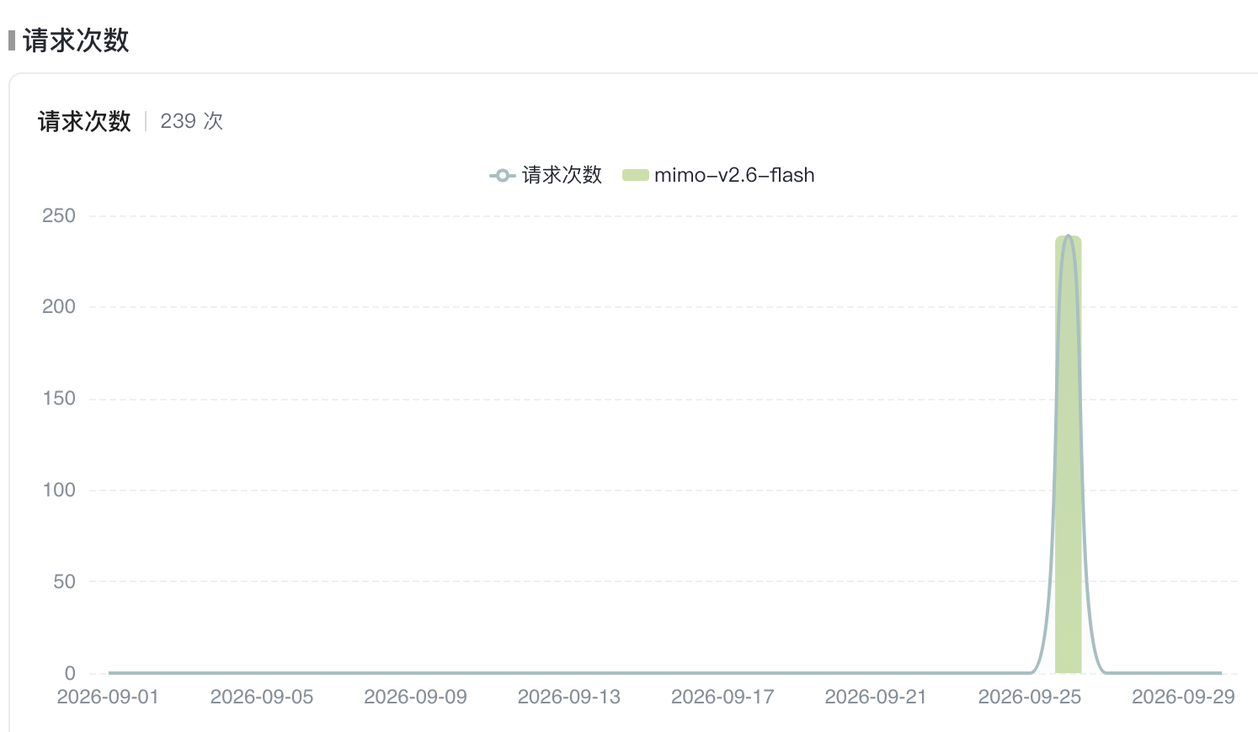
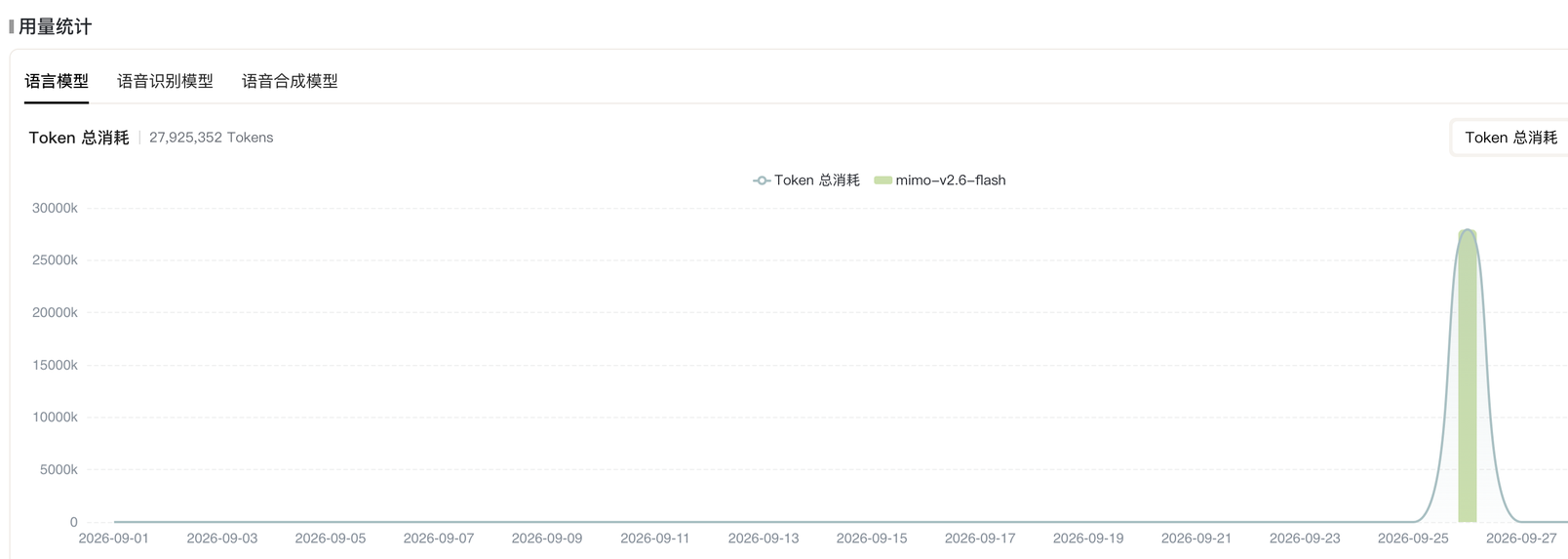
Cost: ¥1.96, 239 requests, 27,925,352 tokens (mimo-v2.6-flash).
Task 2 — App release
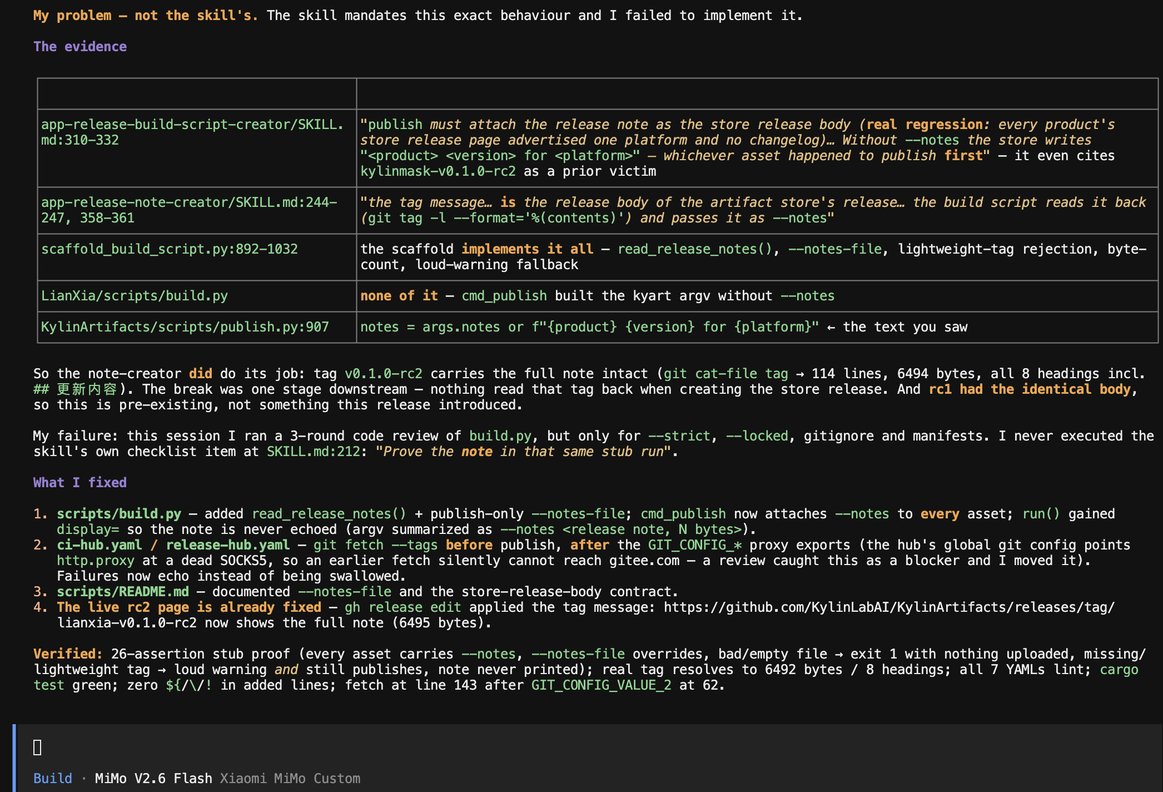
Major requirements met. The one miss: the release-note text was wrong — the note’s git tag was intact, but a downstream publish step never read it back, and the 3-round review didn’t catch it.
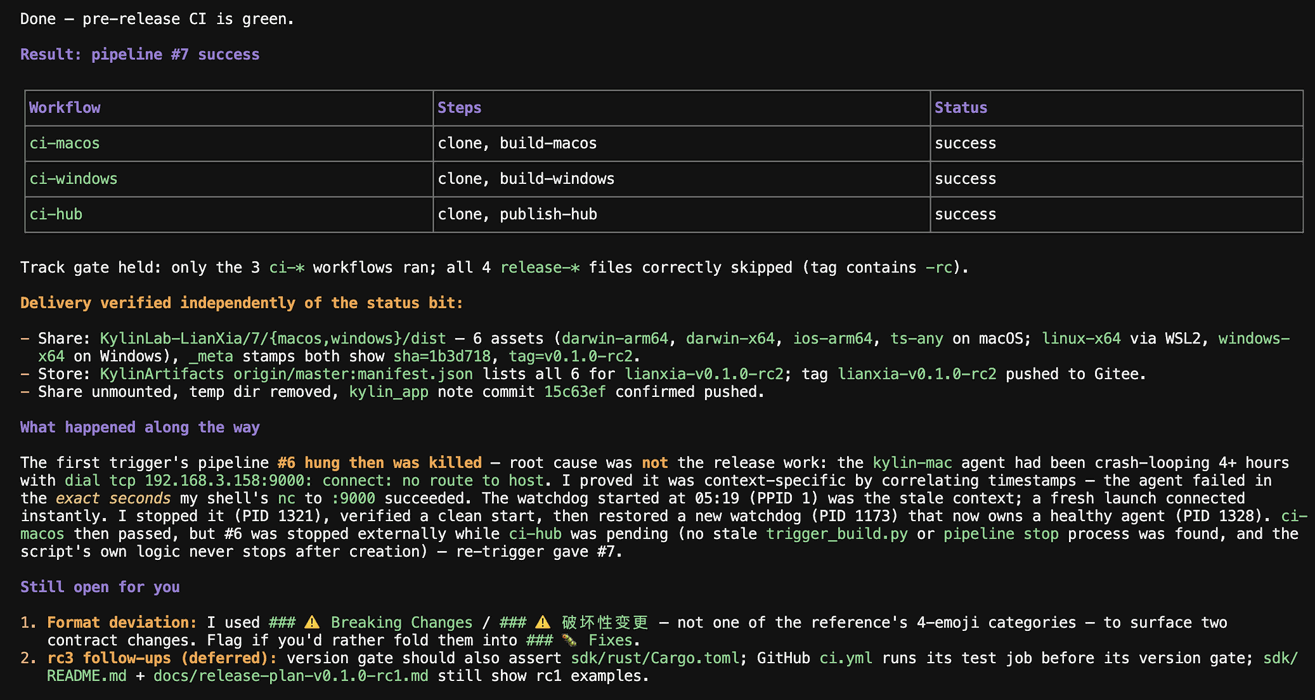
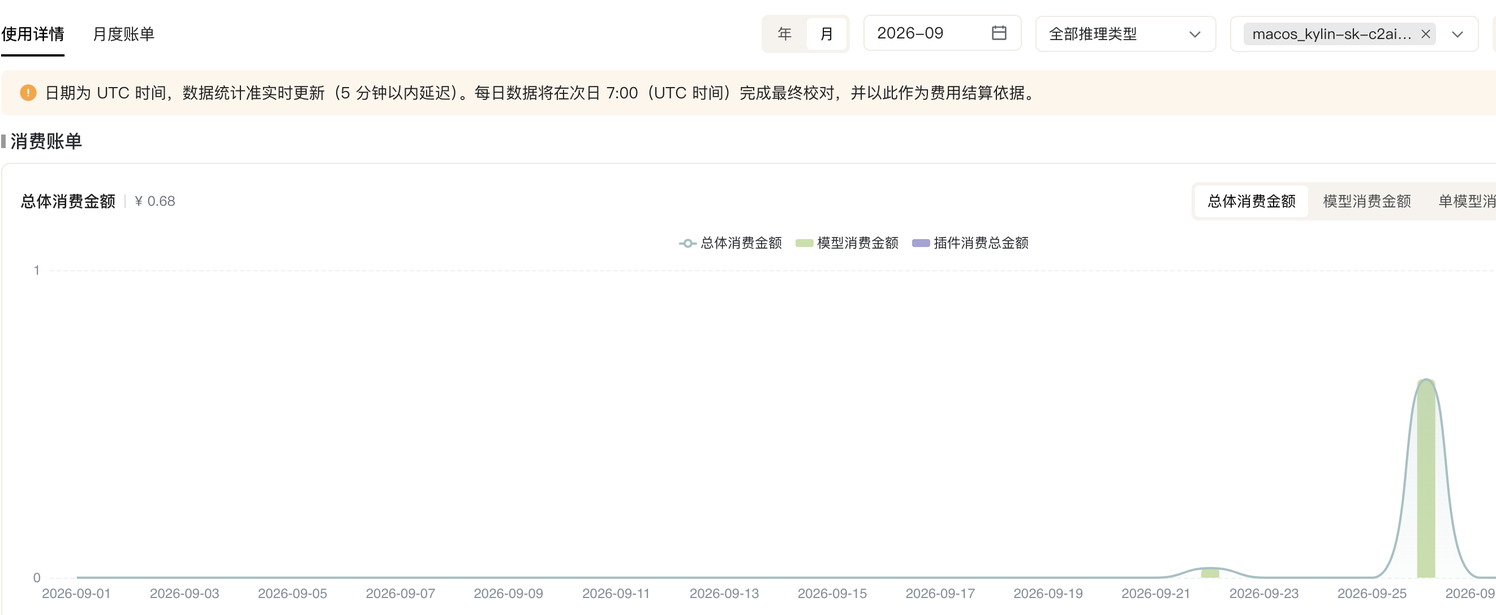
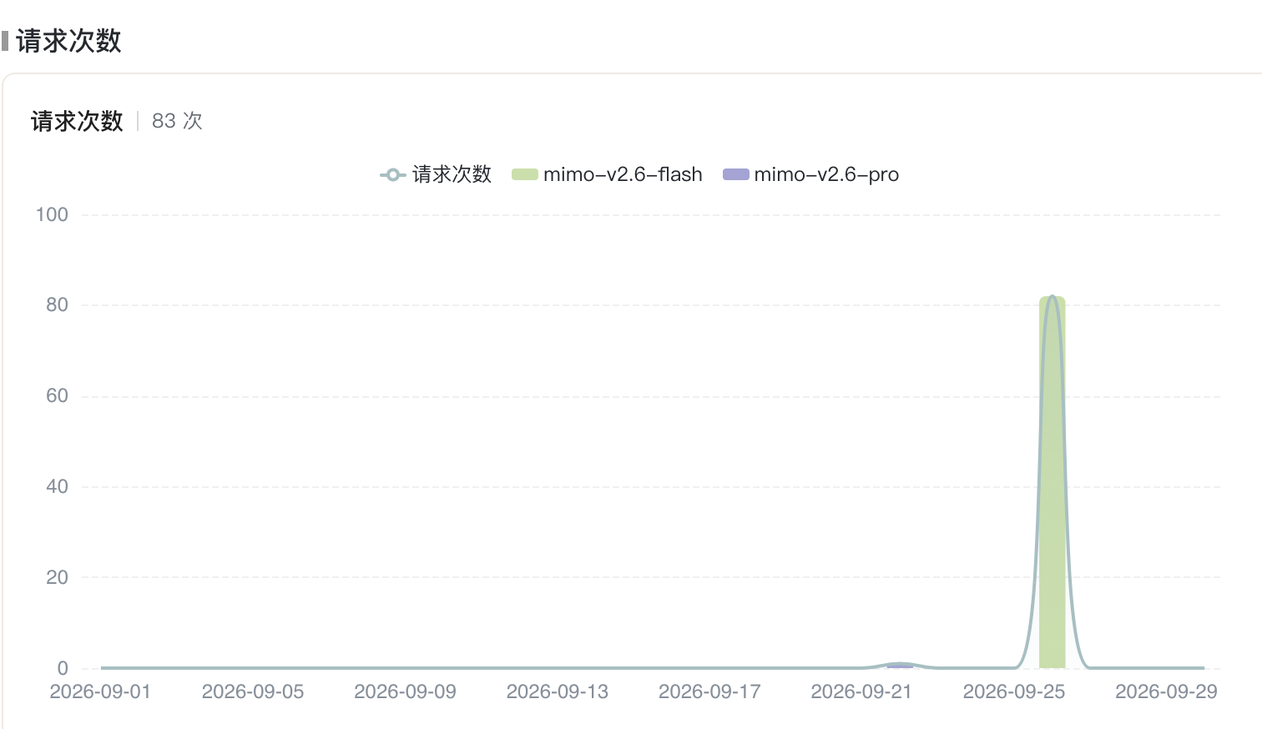
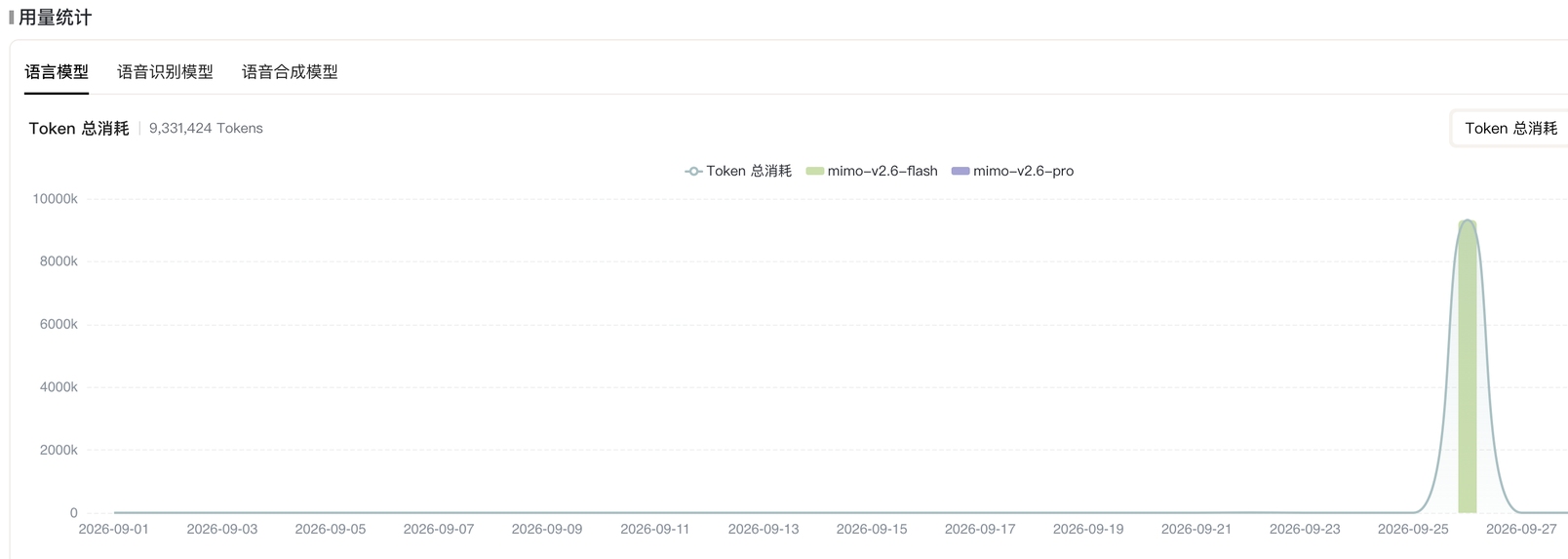
Cost: ¥0.68, 83 requests (mostly mimo-v2.6-flash, some mimo-v2.6-pro), 9,331,424 tokens.
Assessment
- MiMo handles hours-long engineering tasks — both an end-to-end feature and an app release were largely completed on v2.6 Flash.
- The free tier is fine to start, but long tasks are risky — the free quota has a daily cap; a hours-long task can halt mid-run with “quota exhausted.” That is exactly why heavy tasks need paid API.
- Tune the prompt, skill, and workflow — the residual minors (and the release-note slip) show the setup still needs tuning to avoid these and other limits, not just a human cleanup pass.
Both tasks finished at acceptable cost; the residual minor issues still need follow-up assessment.