AI Got More Expensive: From Wasteful Calls to a Lean, Tooled, Repeatable AI Workflow
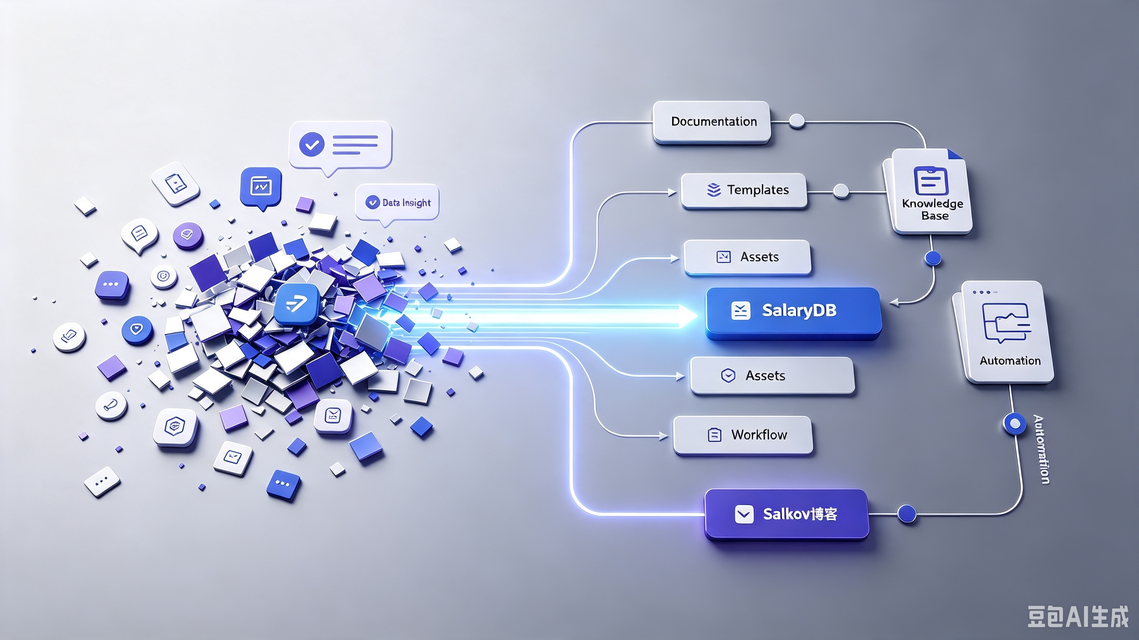
DeepSeek switched to peak/off-peak pricing (peak = 2×) in July and announced another broad hike in August. That’s not one vendor being greedy — it’s the whole industry retracting its subsidies. The age of cheap AI compute is over.
1. Problem & background — price hikes are industry-wide
DeepSeek went to peak/off-peak pricing in July, then flagged a broad API increase in August. Across the field: higher per-token rates, trickier pricing rules, shrinking free tiers, expiring credits. The knee-jerk reaction — “use it all before it gets pricey” — backfires: it converts cost anxiety into deadline anxiety and assumes you’ll stop using AI, which you won’t.
2. The approach — from burning compute to banking method
| Wasteful (old) | Lean (new) |
|---|---|
| Dump long context, brute-force it | Break the task down, feed only what’s needed |
| Re-explain the project every session | Reuse a fixed prompt, call it directly |
| Repeat questions, rebuild context | Automate the standard flow |
| Re-learn the same lesson each time | Retro it into a reusable rule |
Under high compute cost, cost-efficiency is the first principle. Three concrete moves:
Step 1 — Build a lean, personal skill library
Distill the prompts that fit your work. Cut the filler. Each instruction does one thing, clearly. Turn高频 small tasks into scripts or tool calls so you stop paying for long reasoning chains on trivial work.
Step 2 — Automate the repetitive workflows
Map the work that’s repetitive and standardized, then wire it into a fixed pipeline. Stop re-explaining context from scratch every time. Let the流程 run the boring 80%.
Step 3 — Constrain tasks, then capture the learning
Before each AI task, set the boundary, output format, and scope up front. After it ships, do a quick retro: what broke, what worked, what’s now a reusable rule. One good pattern pays off across every future project.
3. Results — before vs. after
- Per call: from “long paste, brute force” to “tight context + reused prompt” → noticeably lower token spend.
- Repeat tasks: from “re-explain every time” to “one-click pipeline” → less human time and fewer tokens.
- Long-term asset: from “re-learn the lesson” to “reuse the rule” → compounds into savings.
4. Trade-offs
- Don’t use “rush to use it up” to fight anxiety — it only delays the problem.
- A prompt library isn’t “more is better”; bloated filler raises cost. Keep trimming.
- When not to apply this: one-off, ultra-rare, non-reusable tasks — just talk to the model, don’t over-engineer.
Summary & further reading
- Core takeaway: price hikes force a shift — from someone who burns compute to someone who banks method.
- Next step: script your high-frequency small tasks; see the efficiency series on this site.
- Related reading: for a deeper engineering take on the same idea, see the companion post AI Engineering Capabilities in the Cost-Aware Era. It breaks down six core skills every engineer needs — token economics, structured requirements, rule systems, standardized workflows, and quantitative evaluation.
- External reference: each provider’s official pricing docs (verify DeepSeek’s exact figures before publishing).
I’ll keep the examples updated; next I plan to write “How to tool-ify your AI usage” — subscribe via RSS if you’d like 📡. If you’ve hit similar AI-cost walls, share in the comments 🙌.